
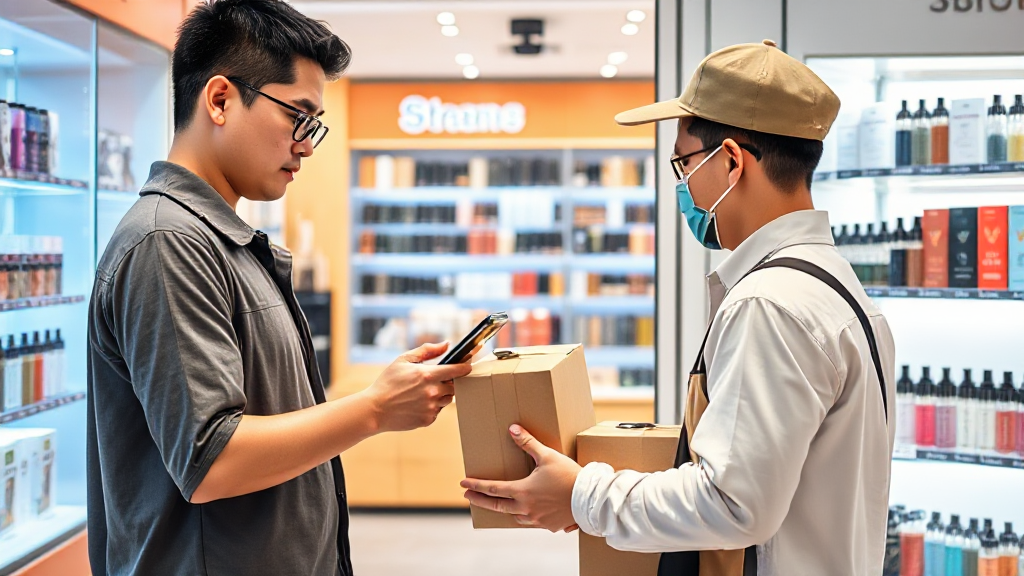
How to Verify a Same-Day Vape Delivery Seller in Singapore
How to Verify a Same-Day Vape Delivery Seller in Singapore
The order page looked fine. The prices were plausible, the product photos were sharp, and the seller promised delivery within the hour. Then came the payment step: a personal PayNow number with a name that matched nothing on the site, and a chat reply that said “just transfer first, I confirm after.” That was the moment the whole thing felt wrong. Nothing had been proven. Everything had simply been asserted.
That near-miss is common enough in Singapore’s online retail scene, and it is why a verification-first approach matters more than a polished storefront. If you are buying from lana vape sg, or any same-day vape delivery seller in Singapore, the checks below take about two minutes and settle most of the doubt before money changes hands. They are documentable checks, not vibes.
Stage 1: Confirm the Seller Has a Real, Traceable Identity
Before you look at products, look at who is actually selling. A legitimate same-day delivery operation in Singapore will usually present a consistent business identity across its website, its messaging channels and its payment instructions. The name on the site should match the name on the invoice, the name on the payment request, and the name used in chat. When those three diverge, that is your first warning sign.
Check for a physical or operational footprint. A seller that stocks goods locally will typically describe where stock is held, how orders are dispatched, and what delivery windows apply. Vague language like “we ship from overseas” combined with a same-day promise is contradictory and worth questioning. A genuine local operation offering Singapore lana vape stock should be able to explain how a courier reaches you the same day without importing anything.
What a bad sign looks like: no business name anywhere, a WhatsApp profile with a stock photo, payment requested to an unrelated personal account, and a refusal to answer simple questions about who is behind the store. Any one of these alone is not proof of fraud, but two or more together should stop the transaction.
Stage 2: Test Whether the Seller Actually Holds Local Stock
Same-day delivery is a logistics claim, and logistics claims are easy to test. Ask a specific question: which models are in stock right now, and how many units? A seller with real inventory will answer directly. A seller drop-shipping or reselling will usually deflect, promise to “check”, or send a generic catalogue image that could belong to anyone.
Product specificity is the strongest signal here. If a store lists named models with clear specifications, that suggests it is working from actual stock rather than copied listings. Sellers carrying recognised brands such as Elfbar and Elf Bar, including popular disposable lines, tend to describe them by model and capacity rather than in generic terms. You can compare how a specialist retailer presents its range through its Lana vape same day delivery offering, where local stock availability is part of the pitch rather than an afterthought.
What a bad sign looks like: every product is “available” with no quantity detail, prices are suspiciously uniform across unrelated items, images are low-resolution or watermarked by another store, and the seller cannot confirm what will physically be dispatched today. If the answer to “what is in stock now” is always “yes, all”, the stock probably does not exist locally.
Stage 3: Verify the Delivery and Payment Process Before Paying
This is the stage where most buyers get caught, because it is the stage where money moves. A trustworthy same-day seller will explain the sequence clearly: you confirm the order, you receive a delivery window, payment is collected through a traceable method, and the courier hands over the item. The order of those steps matters. Payment should never be the only thing that happens before any commitment on delivery.
Ask directly: what is the delivery window, who is the courier, and what happens if the item does not arrive? A seller offering Singapore vape delivery as a genuine service will have standard answers. They will also be comfortable with a payment method that leaves a record, because a traceable payment protects both sides. Discreet packaging is a reasonable and common request in this market, and a professional seller will confirm it without hesitation rather than treating it as unusual.
What a bad sign looks like: pressure to pay immediately via an untraceable route, a refusal to give a delivery time before payment, changing payment details mid-conversation, or a sudden “last unit” urgency designed to stop you thinking. Urgency is a sales tactic; it is also a fraud tactic. A real seller can afford to let you take two minutes.
Stage 4: Check Consistency Across the Seller’s Public Presence
Fraudulent sellers often exist in one channel only. A real retailer tends to leave a trail: a website with stable content, consistent contact details, and product information that matches what is said in chat. Spend a few minutes comparing the website, the messaging account and any public listings. Do the names match? Do the products match? Does the tone and level of detail match?
Look for signs of an operation that has been running rather than one assembled this week. Consistent formatting, clear product categories, and a coherent explanation of how Vape delivery sg works in practice are all indicators of a functioning business. You are not looking for perfection. You are looking for the absence of contradictions.
What a bad sign looks like: the website is a single page with no detail, contact information changes between channels, the seller’s claimed location does not match the delivery area, or the product range changes completely within days. Inconsistency is the thread that unravels most fake storefronts.
Stage 5: Run the Two-Minute Pre-Payment Checklist
By this point you should have enough information to make a decision. Run one final pass before transferring anything. Confirm the seller’s identity matches across site, chat and payment. Confirm the stock claim is specific rather than generic. Confirm the delivery window and courier process in writing. Confirm the payment method leaves a trace. Confirm that packaging and handover expectations are agreed.
A seller that passes all five has earned the transaction. A seller that fails two or more has not, regardless of how good the prices look. If you want a reference point for how a local specialist presents these details, you can see how Sg vape shop delivery is described in terms of local stock, express timing and discreet handover, then compare that standard against whoever you are considering.
Red flags, summarised: identity that does not match across channels, payment to an unrelated personal account, no verifiable local stock, refusal to confirm a delivery window before payment, pressure and urgency, and any request to move the conversation somewhere less traceable. If you see three or more of these together, walk away. There is always another seller, and a legitimate one will not mind being checked.
Frequently Asked Questions
How can I tell if a same-day vape delivery seller in Singapore is genuine?
Start with identity consistency. The business name on the website, in chat and on the payment request should match. Then test the stock claim by asking which specific models are available right now. A genuine local seller answers directly and can explain how same-day dispatch works. A seller that deflects on identity, stock or delivery timing has not proven anything.
Should I pay before a delivery window is confirmed?
No. A trustworthy seller will confirm the delivery window and process before asking for payment, and will use a payment method that leaves a record. If you are pressured to transfer immediately with no confirmed timing and no traceable payment route, that is a strong warning sign. Take the two minutes to ask, and treat refusal as an answer.
What does discreet packaging actually mean in practice?
It means the parcel does not advertise its contents on the outside, and the handover is handled professionally. A legitimate seller will confirm this as a standard part of the service rather than treating it as an unusual request. If a seller is evasive about how the item will be packaged or handed over, that is worth noting before you commit.
Is a low price a reason to trust a seller more?
Usually the opposite. Prices significantly below the local market, combined with urgency and untraceable payment, are a common pattern in fraudulent listings. A fair price from a seller who can prove local stock and a real delivery process is a better signal than a bargain from someone who cannot answer basic questions.